Authenticated is false

THE LOCAL FILES: CADE WITNISH

Melanie Quirk
03 Mar 2026 • 2:41pm

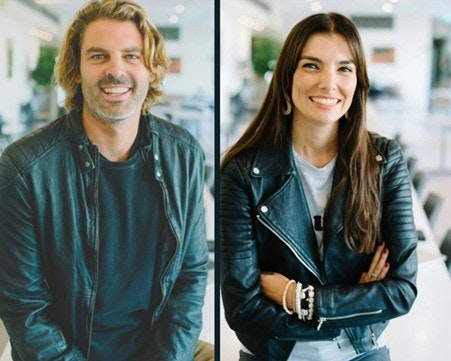
Some people arrive on the Mornington Peninsula in search of a sea change. Others make this beautiful region home through a series of subtle turns and seismic shifts that, in hindsight, feel almost inevitable. For Cade, the journey to Mount Martha began long before he ever set foot on the Peninsula - shaped by childhood years, global ventures, entrepreneurial grit, profound loss, and, ultimately, an unwavering pull toward community.

Q: Cade, can you tell us a little about your background and what ultimately led you to the Mornington Peninsula?

I actually didn’t grow up on the Peninsula. I was raised in Albury, on the New South Wales-Victoria border. It was a very country upbringing - climbing gum trees, swimming in the river - the kind of childhood with lots of space and freedom. My parents were originally from Melbourne but moved to Albury to raise their four kids in a slower-paced environment.

They also owned a small real estate agency, and our family home sat behind it. From about six years old, I remember answering phones after hours while mum and dad were out running inspections. It was a very grassroots, family-business kind of life. That all changed when school finished.

Q: How did you adapt to university life in Melbourne after a country upbringing?

I definitely wasn’t ready. I finished high school at 17 and didn’t turn 18 until well into my first year of university, so experiences like Orientation Week weren’t quite the same for me. I lived with my older brother, who was also studying but was training for the World Athletics Championships at the time. It was all steamed pumpkin, steamed chicken, and early nights - not exactly the social university life most people imagine.

Q: What did you study?

I studied sports science, mostly because I didn’t know what else to do. I wasn’t particularly studious growing up - I was one of those “lots of potential, talks too much in class” kids. I ended up doing well in my final exams at school which got me into the course of my choice, but I quickly realised the typical career paths weren’t for me.

person

Q: So where did you go from there?

I landed, quite fortuitously, in the pharmaceutical industry. First with GlaxoSmithKline, then AstraZeneca. It was essentially sales and marketing but with an incredible level of training. Eventually I moved to the UK and worked in medical equipment sales, selling breast implants to cosmetic surgeons on Harley Street.

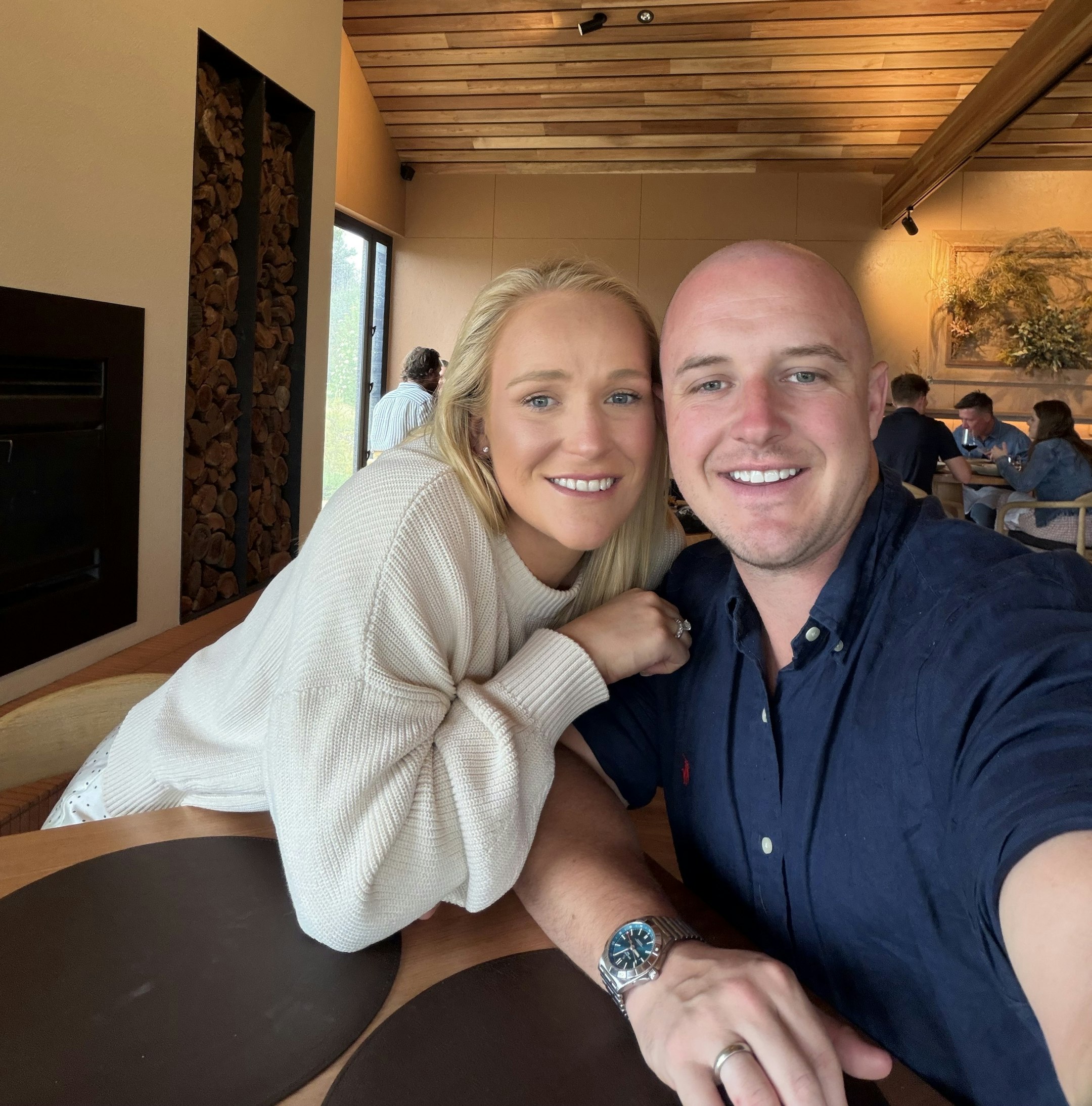
From there, a client in Wales headhunted me to run their cosmetic surgery company - the workplace where I met my wife Amy – and later I worked with venture capitalists in London to build another from scratch. It was a really exciting period of life - reinvention, growth, and a lot of learning.

person

Q: But your time overseas shifted when your mother became ill?

Yes. My mum was diagnosed with lung cancer, and all four of us kids were living around the world. We flew home to nurse her through her last nine months. It was heartbreaking, but it was also the catalyst for what came next.

Q: And that next chapter was the digital agency?

Correct. While in the UK, I was working closely with two friends in Melbourne who ran a small creative studio. I trusted them more than the big UK agencies, so we’d work at odd hours across time zones. When I came home, I suggested we combine forces and build something significant.

Over nine years, we grew that small team into a 140-person digital agency, which we eventually sold to Accenture in 2018. Alongside that, we built and exited several software companies. It was a remarkable run. A mix of good timing, strong chemistry, and a lot of hard work.

Q: So how did Mount Martha enter the picture?

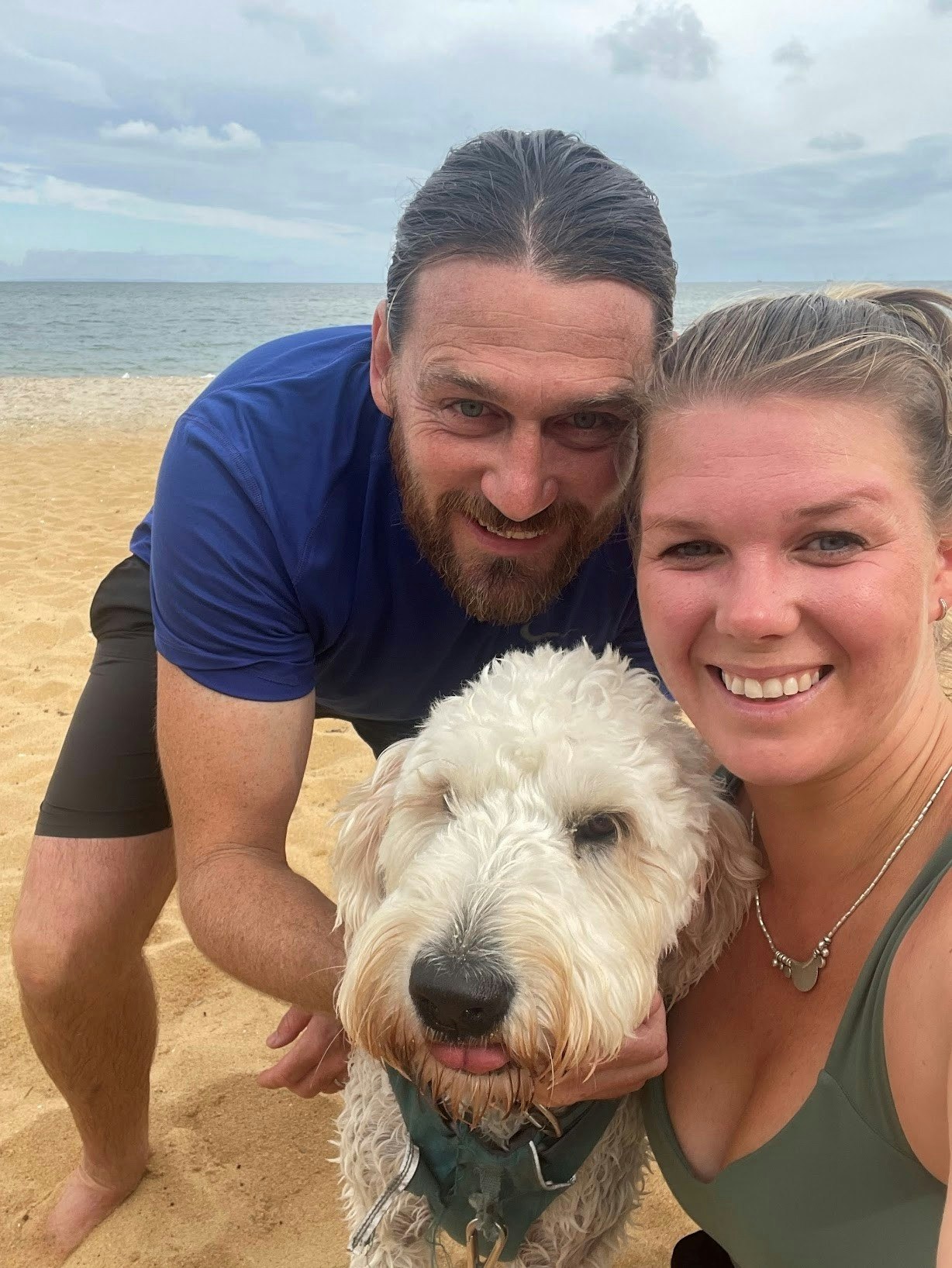
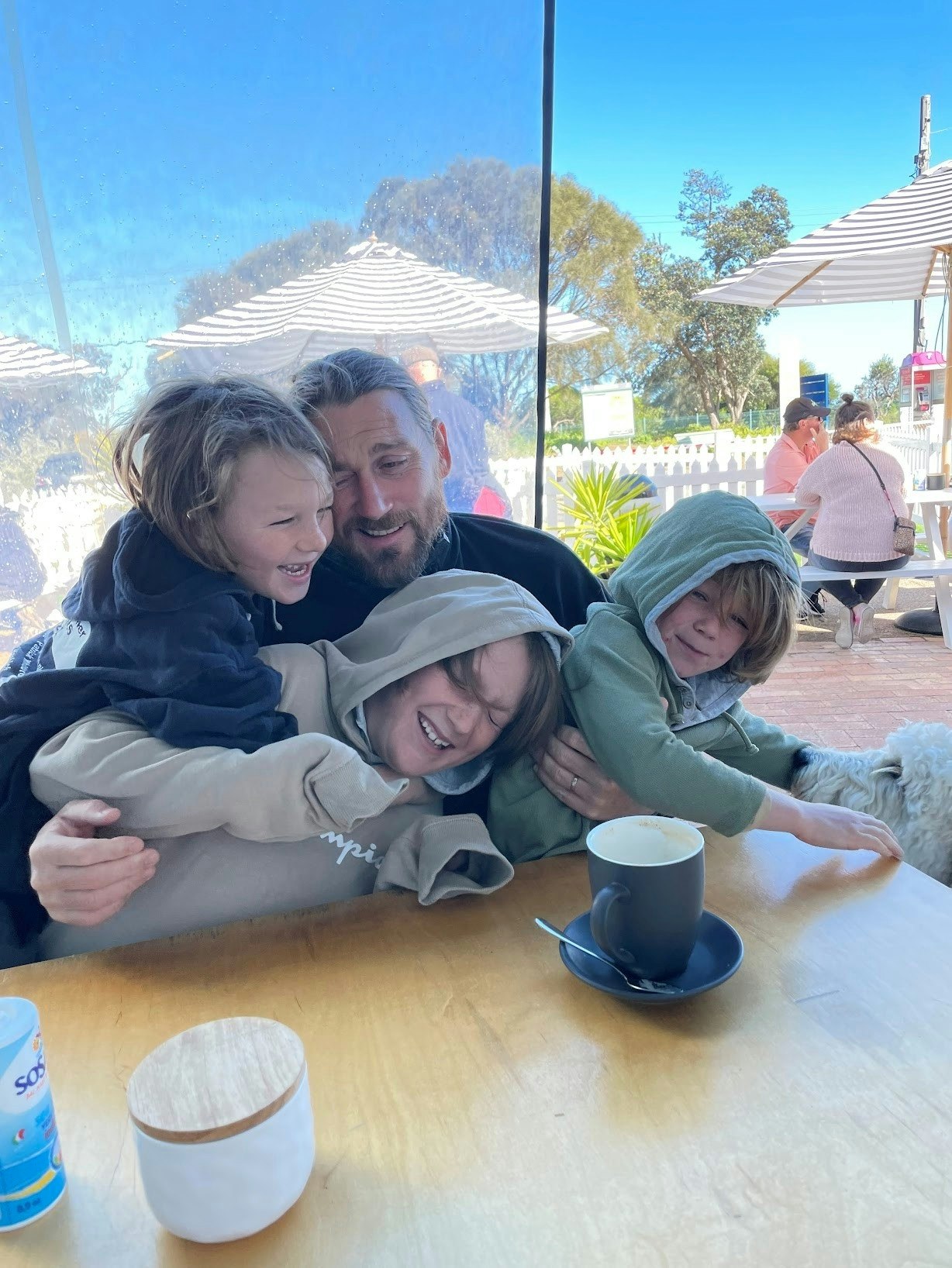
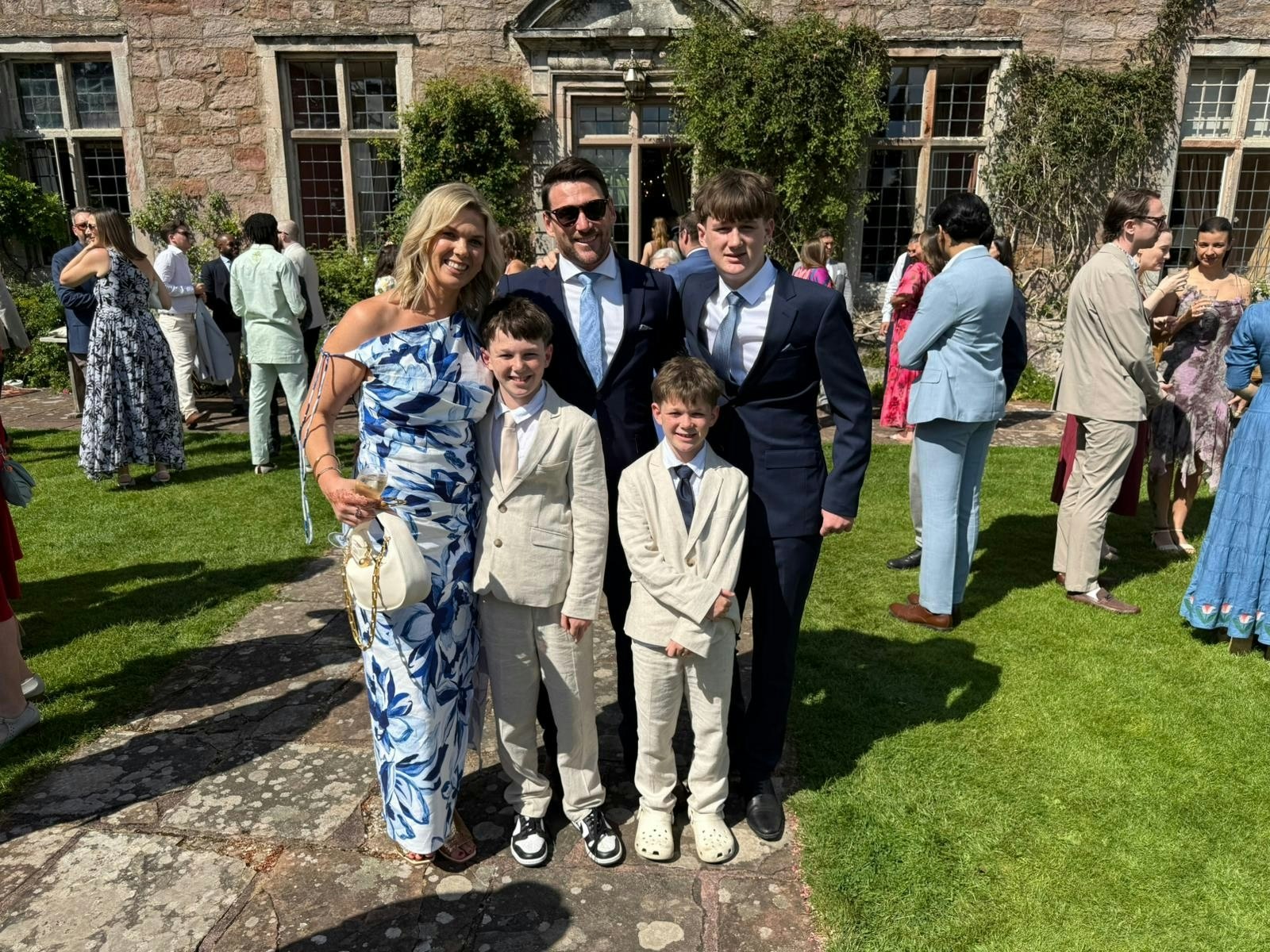
My younger sister, Blaze, bought a house in Mount Martha around 2016. My wife and I were living in a Cheltenham townhouse with three young boys - one five-year-old and two only 18 months apart. Life felt very cramped and chaotic. Every time we visited my sister, we felt that sense of space, community, and calm. It reminded me of how I grew up. So I said, “I’ll take the commute. Let’s make the move.” This was long before the Covid-driven sea change boom. We just knew it was right for our family.

portrait

Q: What, in your opinion, makes Mount Martha such a special community today?

We’re at a really unique inflection point. There’s an interesting melting pot of families who’ve left the inner city behind, many of whom share values around family, children, and active lifestyles.

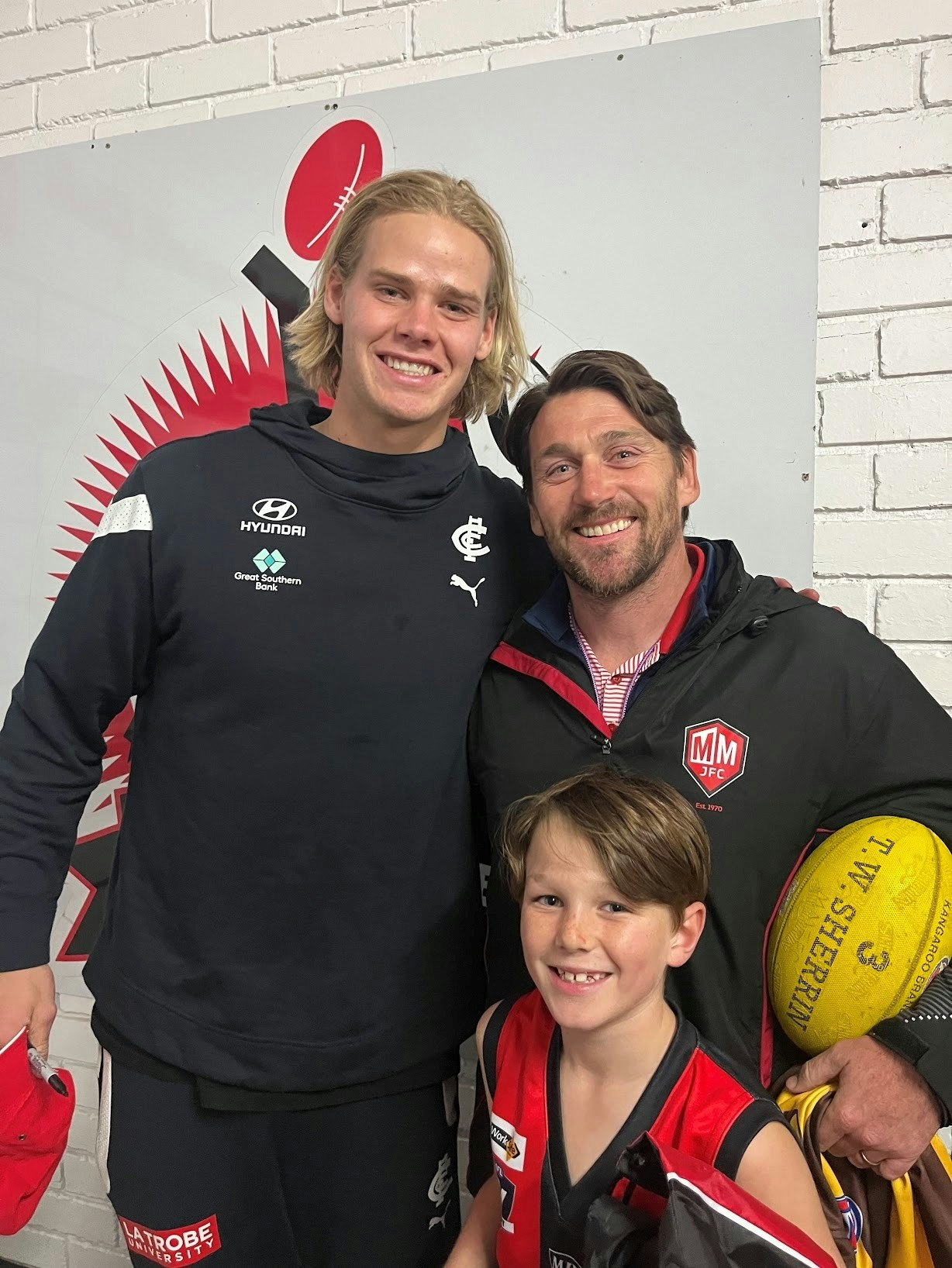
The school community, footy club, lifesaving club, and all the small local groups play a massive part in that. The people who volunteer, contribute, show up - they’re the heart of it.

It’s not without its limitations; we’re not as multicultural as other suburbs, and you do get a bit of group-thinking at times. But the upside is a really connected, grounded, values-driven community. Right now, in 2025, it’s a particularly special moment in time.

person

Q: What does life look like for you now in Mount Martha?

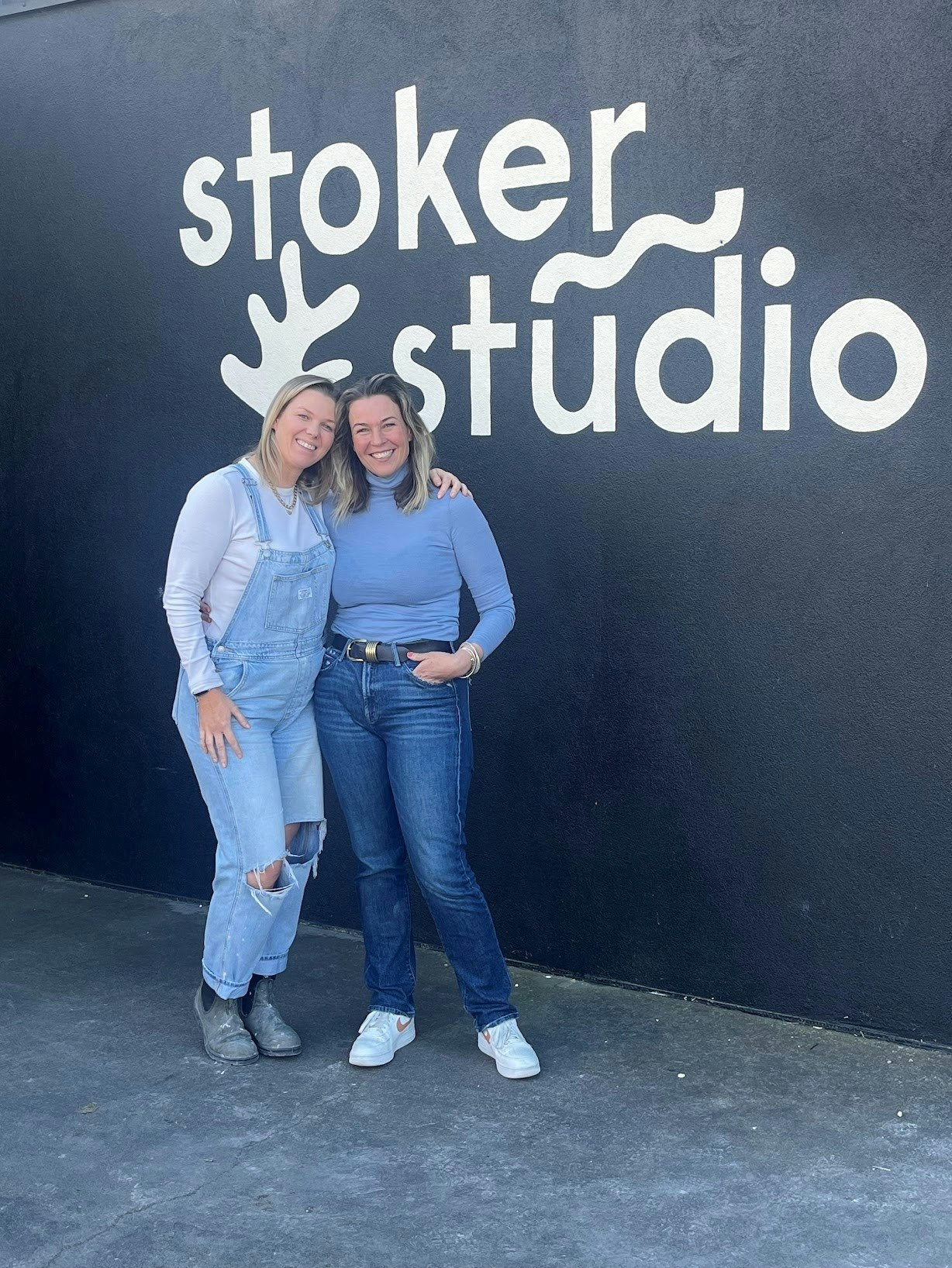
My wife is an artist, and once the kids were all at school, she wanted to return to creative work. We found a beautiful Peninsula pottery studio for sale - Stoker Studio in Mornington. Instead of renting a space for her to paint, we bought the business. Nearly two years on, she has fallen in love with pottery, and created a thriving creative hub.

As for me, I’m very much the stay-at-home parent now, which I love (except maybe halfway through Term 2!). I’m still involved in a couple of software start-ups, including one going through a major process at the moment and another early-stage AI-based project. So I get the best of both worlds - time with the kids and time in the innovation space.

clothing

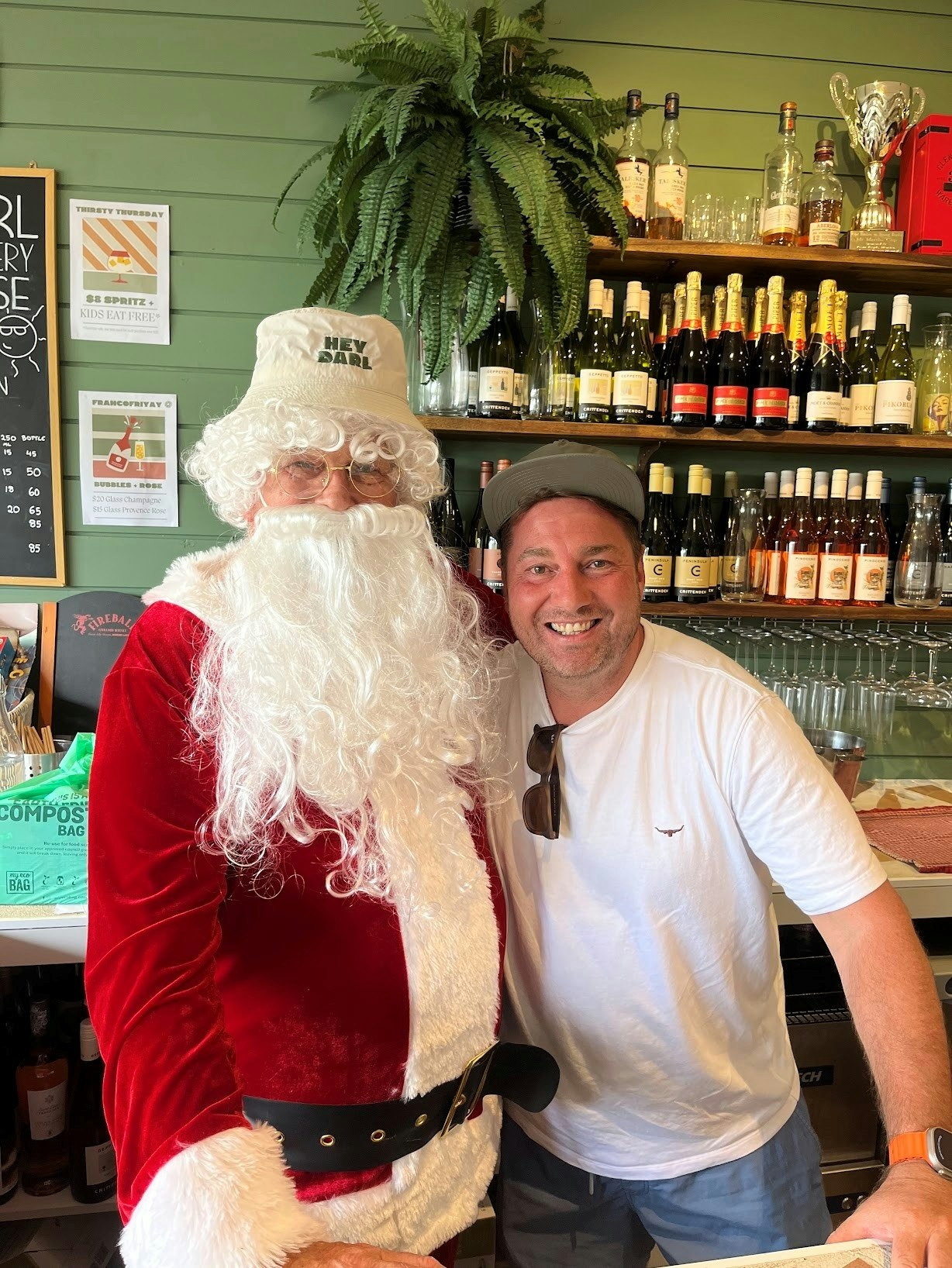
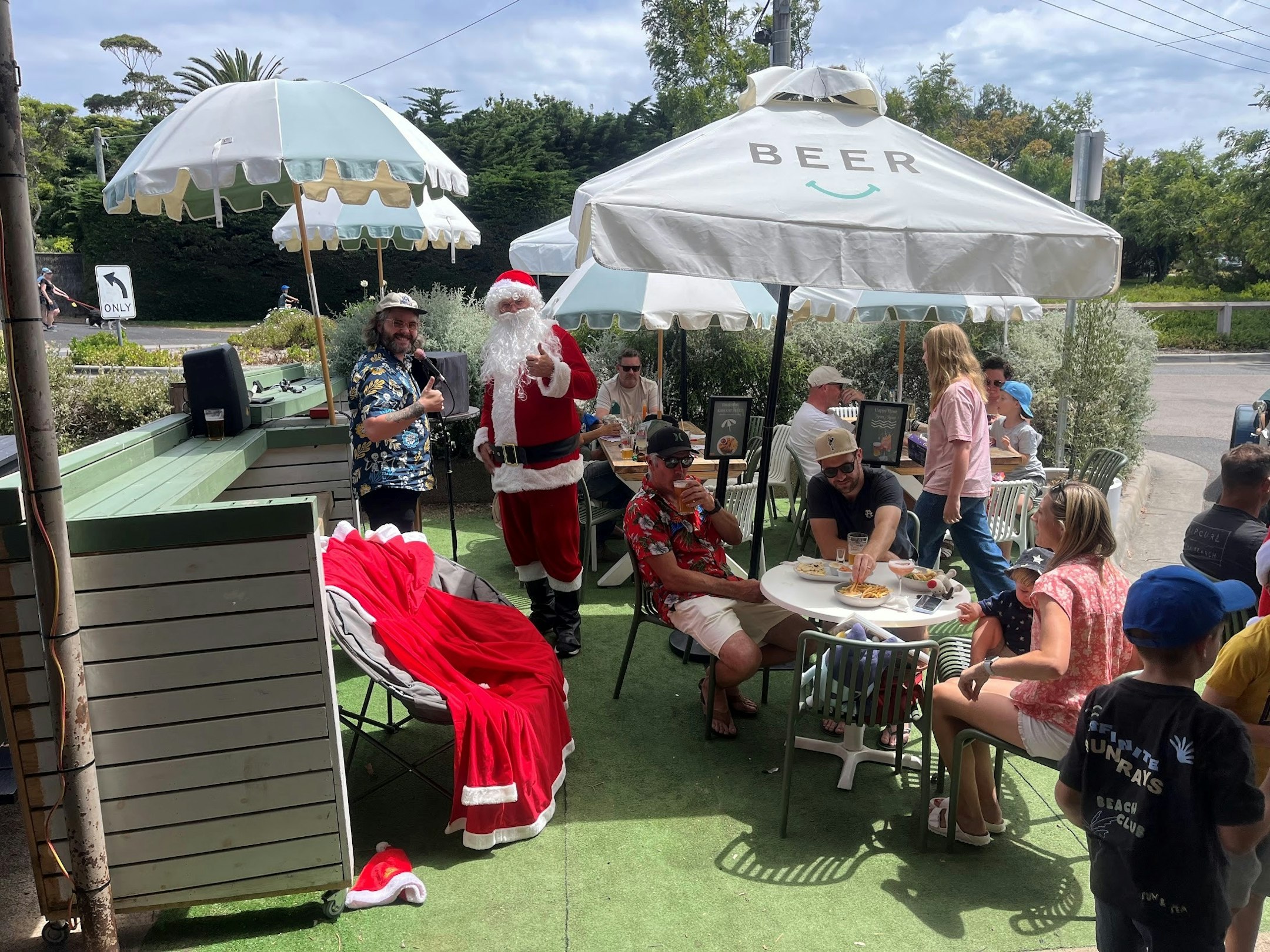
Q: And you’re also involved in Hey Darl, a much-loved local bar?

Yes - though I never think of it as a business! A couple of families and I bought it simply because we loved going there and didn’t want to see it change. We had no hospitality experience and figured it would just run quietly in the background. Within 30 seconds of the contract signing, everyone seemed to know we owned it. We’ve approached it the same way we approached our software companies - with a clear purpose, strong culture, and empowered young staff who run it brilliantly.

wristwatch

The purpose of Hey Darl is simple: community, connection and fun. Every decision filters through those three words. Whatever profit is made goes straight back into the bar or to local community groups - footy, cricket, lifesaving. We keep wine prices approachable so people can try things they might not normally try. It exists for the community, and you can feel it when you walk in.

hat

Q: Community seems to be a recurring theme in your story — from your childhood, to your businesses, to your life today.

Absolutely. It’s the thread that runs through everything. Whether it’s family, business, neighbourhood, or local clubs - connection is the whole point. The community here has given us so much, and I feel very lucky to be part of it.

formal wear

@heydarl.mtmartha

https://www.stoker.studio/

The Latest

View More
hugging

THE LOCAL FILES: MICHAEL SIER

person

THE LOCAL FILES: LOCHLAN TANGAS

alcohol

THE LOCAL FILES: RICHARD JEFFARES